Laundry is the Only Thing: A Designer's Review
As someone who has spent years stitching, cutting, and selling handmade goods, I know that a design like Laundry is the Only Thing isn't just about the text; it is about the attitude. When you are looking at a digital file to turn into a physical product, you are really asking yourself if this piece will hold up under the needle and if it will resonate with the person wearing or using it. This review breaks down how this specific design performs when moving from a screen to a real-world embroidery project.
The First Impression of Laundry is the Only Thing
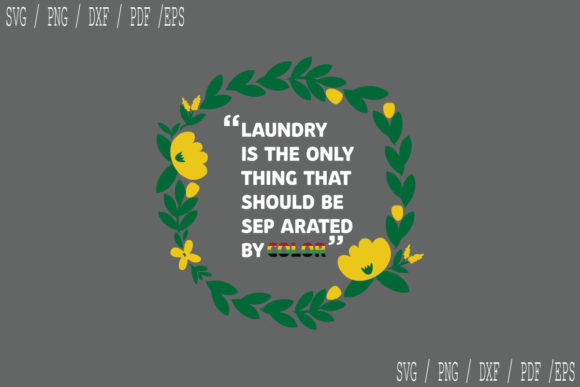
The moment you open the files for Laundry is the Only Thing, the mood is immediately set. It feels casual, relatable, and slightly rebellious in a way that fits perfectly into modern home aesthetics. The layout suggests a design that belongs on something worn often or used daily. Unlike overly ornate floral patterns or complex scenes, this design relies on clean lines and bold typography to make its point. It creates an instant connection with anyone who knows the struggle of keeping up with chores.
From a visual personality standpoint, the design strikes a balance between cute and practical. It does not try too hard to be fancy, which makes it incredibly versatile. Whether you are creating a gift for a new parent, a stocking stuffer for the holidays, or merchandise for your own Etsy shop, the theme is universally understood. The shape and detail level suggest that this is meant to be seen clearly, making it an excellent candidate for custom apparel where the message needs to be legible from a distance.
Real-World Application: The Tote Bag Scenario
Let me share a scenario I recently considered while planning a small batch of products for a local craft fair. I was thinking about using Laundry is the Only Thing on a heavy-duty canvas tote bag. The goal was to create a functional item that people would actually use, rather than something decorative that ends up in a closet. The idea was to pair the design with a high-quality thread color that pops against the natural beige of the canvas.
When I visualized the final result, the design felt right at home. The text sits well in the center of the bag, acting as a focal point without overwhelming the utility of the item. For an Etsy seller or a boutique owner, this kind of design adds value because it speaks directly to the customer's lifestyle. It transforms a simple tote into a statement piece. However, I also thought about how it might look on a sweatshirt. The same design could work beautifully on the back of a cozy pullover, offering a humorous touch that softens the look of loungewear.
This versatility extends to other items like pillow covers or kitchen towels. On a tea towel, the design becomes part of the kitchen decor, adding a splash of personality to a space that is often purely functional. The key here is understanding that Laundry is the Only Thing is not just a graphic; it is a conversation starter. When customers see it on a finished product, they recognize the sentiment immediately, which builds trust and engagement with your brand.
Technical Performance and Stitch Clarity
In my experience reviewing various embroidery files, the devil is always in the details. How does the design handle different stitch types? For a text-based design like this, clarity is paramount. If the lettering is too dense, the fabric can pucker, ruining the professional look of the final product. If the stitches are too sparse, the design looks thin and cheap.
I have found that designs in the Print Templates category often require careful attention to stitch density. Before committing to a large production run, it is wise to test the machine embroidery design on scrap fabric. You want to ensure that the satin stitch edges are smooth and that any fill stitch areas lay flat without bunching. The running stitch elements, if present, should be tight enough to hold their shape but loose enough to follow the curve of the fabric naturally.
One critical factor to consider is the hoop size. If you are working with a small hoop, you need to verify that the entire design fits without needing to re-hoop, which can misalign the image. Conversely, if the design is large, ensure your machine can accommodate the dimensions. Checking the file specifications for digital embroidery file compatibility is essential. While the product description mentions formats like PNG, SVG, EPS, DXF, and PDF, these are often vector or raster assets that may need conversion depending on your specific machine software. Always confirm that the embroidery project settings match your hardware capabilities.
Where to Use Caution
While Laundry is the Only Thing is a strong design, there are situations where it might not perform as well. Small hoop sizes can sometimes cut off fine details or force the text to be compressed, making it harder to read. Textured fabrics, such as thick fleece or bouclé, can hide the definition of the stitching, making the design look muddy. Thin or stretchy fabrics require extra care; without proper stabilizer support, the tension of the threads can distort the material, causing the words to warp.
Dense stitch areas can also be problematic on dark fabrics if the thread choice is not carefully selected. If the background is black, a light-colored design might get lost unless the thread coverage is sufficient. Similarly, curved surfaces like caps present a challenge. The curvature of the hat can alter the perspective of the text, making it look uneven if the design is not digitized specifically for curved applications. For products that need frequent washing, such as aprons or baby clothes, the durability of the stitches is crucial. Ensure that the design allows for secure anchoring so that it does not snag or unravel over time.
Impact on Product Value and Brand Consistency
A well-executed design elevates the perceived value of a handmade product. When a customer sees a neatly stitched embroidered patch or a crisp tote bag design, they associate that quality with your brand. Laundry is the Only Thing offers a chance to build a cohesive line of products. Imagine a collection featuring matching sweatshirts, pillow covers, and tote bags all bearing the same motif. This consistency helps in building recognition and professionalism.
For those selling on platforms like Etsy or running a small shop, the ability to offer personalized gifts is a huge advantage. Customers love seeing their names or custom messages integrated with standard designs. While this specific design is a standalone phrase, it serves as a perfect base for customization. Adding a name above or below the text can transform a generic item into a cherished personalized gift.
The design also supports commercial embroidery projects. If you are producing merchandise for a business, having a reliable, high-quality asset like this saves time and reduces errors. It ensures that every unit leaving your workshop looks the same, maintaining the integrity of your brand identity. Furthermore, the playful nature of the text makes it highly giftable, increasing the likelihood of repeat purchases during holiday seasons or special occasions.
Practical Designer Notes for Success
Before you start stitching, there are several steps you must take to ensure success. First and foremost, test the design on scrap fabric. This allows you to check thread colors and adjust tension before using expensive materials. Review the stitch density to prevent puckering, especially on delicate fabrics. Confirm the hoop size matches your intended project dimensions.
Inspect small details closely. Sometimes, tiny letters or intricate corners can get lost if the resolution is not high enough or if the digitization is poor. Test the design in black and white mockups to see how the contrast holds up, then compare it on both light and dark fabric backgrounds. Using the proper stabilizer is non-negotiable; it provides the foundation needed for a clean finish.
Finally, always check whether the design works for both personal and commercial projects. Licensing terms vary, and you do not want to risk legal issues by selling finished items without the proper rights. If the product description does not explicitly state the license terms, contact the creator or assume that commercial use requires a separate purchase. By following these guidelines, you can confidently use Laundry is the Only Thing to create beautiful, durable, and marketable finished products that stand out in a crowded marketplace.