Home of the Free, American Flag: A Designer's Review
As someone who has spent years evaluating digital assets for real-world embroidery projects, I rarely get excited about a file until I see how it translates from a screen to a stitched reality. Today, I am looking at Home of the Free, American Flag. At first glance, this design sits firmly in the category of patriotic graphics, but for an experienced designer, the question is never just about the theme. It is about execution, versatility, and whether the design can survive the rigors of actual production.
The initial impression of Home of the Free, American Flag is one of bold simplicity. In the world of machine embroidery design, less is often more, especially when dealing with iconic imagery like the American flag. The layout feels balanced, avoiding the clutter that often plagues lower-quality graphic downloads. For a small business owner or an Etsy seller looking to create custom apparel or boutique products, this visual personality suggests a design that is ready to be adapted for various surfaces without losing its impact.
From Digital File to Finished Product
Let's imagine a real-life scenario. You are preparing for a local craft fair or launching a new line of handmade goods for your online shop. You need a reliable asset to decorate a tote bag or perhaps a sweatshirt for a community event. This is where the practical value of Home of the Free, American Flag comes into play.
When I evaluate an embroidery file, I look at how the stitch density interacts with the fabric texture. A design that looks crisp on a monitor might become a muddy mess on a textured cotton tote or a stretchy polyester blend. The structure of this particular design appears to rely heavily on satin stitches for the outlines and fill stitches for the background elements. If executed correctly, this creates a raised, tactile finish that adds significant value to a finished product. It transforms a simple printed transfer into a premium, handmade item that customers can feel and appreciate.
For those selling personalized gifts or holiday merchandise, the ability to stitch this design cleanly is crucial. A baby onesie embroidered with this motif requires precision; the thread colors must pop against the soft fabric without pulling the material. Similarly, when used on a cap or hat, the curvature of the surface demands a design that does not have overly dense corners which could bunch up during stitching. Home of the Free, American Flag seems to strike a balance that makes it suitable for these varied applications, provided the operator knows their stabilizer requirements.
Where to Use It (and Where to Pause)
While this design is versatile, a professional review must include cautionary advice. Not every surface is created equal. If you are working with thin fabrics or highly stretchy materials, you must be careful. The tension required for a dense fill stitch can distort lightweight knits if the proper backing stabilizer is not used. In my experience, testing on scrap fabric is non-negotiable before running a commercial order.
There are also specific areas where this design might struggle. Small hoop sizes present a challenge for any detailed graphic. If the digitization includes tiny lettering or intricate details within the flag stars, shrinking the design down too much can result in lost definition. Furthermore, dark fabrics require high-contrast thread choices. If the design relies on subtle shading, it may disappear against a black background unless a bright underlay or contrasting thread palette is selected.
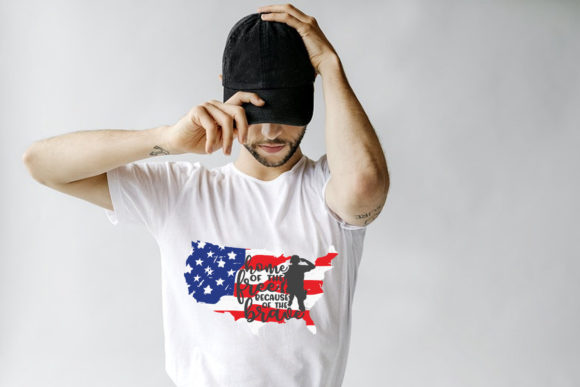
Curved surfaces like caps are another consideration. While many designs work well here, the placement of the text "Home of the Free" needs to follow the curve of the hat without becoming illegible. If the letters are too tight together, they will merge during the stitching process. For a boutique branding project, clarity is key to maintaining professionalism.
Visual Appeal and Brand Consistency
In the competitive landscape of handmade products, visual appeal dictates customer trust. A poorly executed embroidery job can make even the best idea look cheap. Conversely, a clean, well-stitched design elevates the perceived value of the item immediately. Home of the Free, American Flag offers a classic aesthetic that resonates with buyers looking for quality patriotic items. Whether it is used on a kitchen towel, a pillow cover, or a tea towel, the design brings a sense of pride and craftsmanship to the final product.
For digital product sellers offering printable mockups, this design serves as a strong asset. It allows creators to showcase how a physical product would look, bridging the gap between a digital listing and a tangible good. When a customer sees a realistic representation of a sweatshirt embroidery design, they are more likely to engage and purchase. The design acts as a visual anchor that communicates reliability and attention to detail.
Practical Notes for the Embroidery Designer
Before you commit to using this file in a client project, there are several technical steps you should take. First, verify the file formats. The description mentions PNG, SVG, EPS, DXF, and PDF files. While these are standard for vector and raster graphics, ensure you have the correct embroidery-specific format (like PES, DST, or JEF) if you are sending this directly to a machine. If this is a vinyl sticker template meant for cutting machines, remember that the application method differs entirely from machine embroidery.
If you are treating this as an applique design or a direct embroidery file, check the stitch density. High-density areas can cause puckering, so confirm that your stabilizer choice matches the fabric weight. Test the thread color contrast by reviewing the design in both light and dark backgrounds. Sometimes, a color that looks perfect on screen fails in person due to lighting conditions.
Also, consider the licensing terms. Are you allowed to sell finished items made with this design? Many digital assets come with restrictions on commercial use. Confirming these terms protects your small shop product listings from legal issues. Finally, always inspect small details and decorative accents after a test run. Ensure that the running stitch and fill stitch transitions are smooth and that no loose threads are left behind.
In conclusion, Home of the Free, American Flag presents itself as a solid candidate for a wide range of embroidery projects. From custom apparel to holiday gifts, it offers a timeless theme that fits well within the portfolio of a creative entrepreneur. However, success lies in the hands of the maker. By respecting the limitations of fabric texture, hoop size, and stitch density, you can turn this digital asset into a standout piece of art. For the hobbyist and the professional alike, it is a tool that, when used wisely, delivers a polished and professional result.
Whether you are updating your Etsy listings or creating a unique gift for a neighbor, taking the time to understand the nuances of this design ensures that your finished product stands out. It is not just about having the file; it is about knowing how to bring it to life. With careful preparation and a keen eye for detail, Home of the Free, American Flag can become a staple in your collection of design assets.