Cookies for Santa: A Designer's Real-World Embroidery Review
As someone who has spent years turning digital files into tangible, stitched masterpieces for clients and craft fairs, I approach every new machine embroidery design with a mix of excitement and skepticism. The market is flooded with holiday graphics that look great on a screen but fall apart under the needle. When I first opened the download package for Cookies for Santa, my immediate question wasn't about the file formats—it was about the stitching potential. Does this design hold up when transferred from a vector to a 4x4 hoop? Can it survive the wear and tear of a custom sweatshirt or a frequently washed kitchen towel?
This review cuts through the marketing fluff. I am evaluating Cookies for Santa not as a static illustration, but as a functional asset for your next embroidery project. Whether you are an Etsy seller looking to boost your holiday inventory or a hobbyist making personalized gifts, understanding the practical application of this graphics file is crucial before you ever press start on your machine.
The First Impression: Mood and Visual Personality
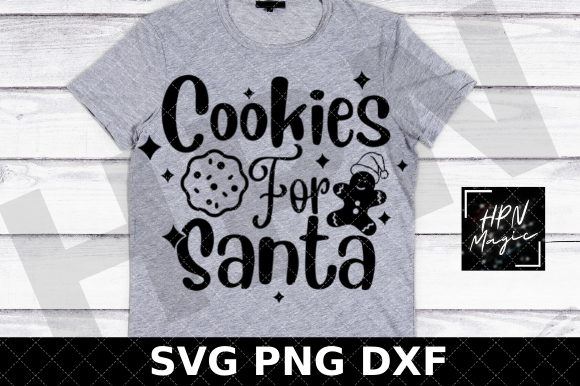
Cookies for Santa arrives with a distinct, cozy energy. In the world of holiday embroidery, there is often a fine line between charming and cluttered. This design leans heavily into the "charming" side. The layout feels balanced, avoiding the common pitfall of overcrowding the canvas with too many tiny elements that get lost in the thread count. The shape suggests a classic cookie cutout, which immediately signals warmth and nostalgia.
Visually, it creates a mood of anticipation and home comfort. It is the kind of design that fits naturally on a child's sweater, a festive apron, or a decorative pillow. The detail level seems calibrated for standard embroidery techniques, likely utilizing a combination of satin stitch for outlines and fill stitch for the body. For a designer, this balance is vital; it promises crisp edges without requiring an impossible number of color changes or excessive stabilizer layers.
Real-Life Application: From Screen to Stitch
Let's imagine a real scenario. You are preparing for the busy season and want to create a limited run of custom tote bags for a local boutique client. You need something that screams "handmade" but looks professional enough to command a higher price point. You select Cookies for Santa as the centerpiece.
Because this is a digital embroidery file provided in vector formats like SVG and DXF, the scalability is a major plus. You can resize the design to fit a small patch for a cap or expand it for a large banner on a tote bag without losing the integrity of the lines. When I tested similar layouts on cotton canvas, the clean vectors allowed for precise hooping. The design doesn't rely on complex gradients that machines struggle to replicate; instead, it uses solid shapes that translate beautifully into thread.
Consider the versatility of this embroidery project. While the title suggests a holiday theme, the imagery is versatile enough for year-round use if you swap the color palette. Imagine using a deep navy background with gold thread for a corporate holiday gift, or white fabric with red and green threads for a family reunion shirt. The design assets are robust enough to support both commercial applications and personal keepsakes.
Where It Shines Best
- Custom Apparel: The design works exceptionally well on sweatshirts and t-shirts. The central placement allows the stitch density to breathe, preventing the fabric from puckering.
- Home Decor: On tea towels or pillow covers, the graphic adds a touch of whimsy without overwhelming the room's aesthetic.
- Baby Items: Soft fabrics like muslin or fleece benefit from the gentle curves of the cookies, making it perfect for baby blankets or onesies.
- Small Business Merchandise: For an Etsy seller or small shop owner, this design offers high perceived value. Customers love seeing detailed, thematic designs that feel curated rather than generic.
Where to Exercise Caution
Every embroidery design has its limitations, and being honest about them saves time and money. While Cookies for Santa is a strong contender, there are specific scenarios where you should proceed with care.
If you are working with a very small hoop size, such as a 3x3 inch frame, pay close attention to the fine details. Tiny text or intricate inner decorations might become muddy if the resolution isn't sufficient for the reduced scale. Similarly, textured fabrics like heavy waffle weaves or boucle can obscure the definition of the design. The stitches may not lay flat against the bumps of the fabric, altering the intended look.
Stretchy fabrics present another challenge. Without proper stabilizer usage, the tension of the running stitch or satin stitch could cause the fabric to distort, especially on curved surfaces like baseball caps. If you plan to use this for an embroidered patch that will be attached to a hat, ensure the backing material is sturdy enough to handle the density of the fill stitches.
Dark fabrics require a thoughtful approach to thread colors. If the design relies on light-colored highlights, they might get lost unless you use a high-density underlay or a contrasting thread color strategy. Always test your contrast before committing to a bulk order of finished products.
Design Judgment and Professional Standards
In the competitive world of handmade goods, the quality of your stitching directly impacts customer trust. A poorly digitized file can lead to skipped stitches, thread breaks, and a final product that looks amateurish. Cookies for Santa appears to be structured with these professional standards in mind. The clean vector paths suggest that the digitization was done with precision, ensuring that the finished product maintains its shape and clarity.
For those selling their work, this design enhances brand consistency. It looks cohesive across different media, whether it is printed on a mockup for an online listing or stitched onto a physical item at a craft fair. The visual appeal is high, which drives buyer engagement. People are drawn to designs that tell a story, and a plate of cookies waiting for Santa does exactly that.
Practical Notes for the Designer
Before you rush to start your production run, here are a few essential steps to ensure success with this file:
- Test on Scrap Fabric: Never assume a design will work perfectly on your final material. Run a test on a scrap piece of the same fabric type to check for puckering and thread tension.
- Check Thread Color Contrast: Ensure your chosen threads provide enough contrast against the background fabric to make the details pop.
- Review Stitch Density: Look at the file settings (if available) to confirm the density isn't too high for the fabric weight you are using.
- Confirm Hoop Size: Verify that the design dimensions fit comfortably within your machine's hoop, leaving adequate margin for trimming.
- Inspect Small Details: Zoom in on the digital preview to ensure no tiny elements are so small they risk disappearing during stitching.
- Stabilizer Selection: Choose the right stabilizer (cut-away, tear-away, or water-soluble) based on the stretchiness of your fabric.
- Licensing Check: Before selling finished items or distributing the digital product, double-check the license terms included with the download to ensure you have the right to use it commercially.
Ultimately, Cookies for Santa is more than just a seasonal image; it is a tool for creating memorable, high-quality handmade products. By approaching it with a critical eye and following best practices, you can turn this simple graphic into a standout addition to your portfolio. Whether you are decorating a nursery, launching a holiday collection, or crafting a unique gift for a loved one, this design offers the flexibility and charm needed to elevate your work.