Be Merry Eat Well: A Designer's Review for Real Embroidery Projects
When I first opened the Be Merry Eat Well file, my immediate reaction was one of relief. In a sea of overly complex floral motifs and dense lettering that often frustrates even seasoned machine operators, this design feels refreshingly straightforward. As someone who has spent years reviewing embroidery files for everything from boutique branding to personalized gifts, I know that the difference between a project that sells itself and one that ends up in the trash bin often comes down to simplicity and execution. This Illustrations category graphic brings a warm, inviting mood that translates perfectly into a physical embroidery project.
The concept is timeless: a reminder to enjoy life's simple pleasures. Visually, it relies on clean lines and a layout that breathes, avoiding the cluttered look that can make a finished product appear cheap or amateurish. It creates an atmosphere of cozy domesticity, making it an ideal candidate for kitchen textiles, holiday gifts, or casual wear. But does it hold up under the needle? That is the question every designer needs to answer before hitting "stitch."
Real-World Application: From Screen to Stitch
I recently put Be Merry Eat Well to the test by planning a custom embroidered tote bag for a local craft fair booth. The goal was to create a piece of merchandise that felt approachable yet professional enough to justify a higher price point. The design's vector nature meant I could scale it easily to fit the 6x10 hoop without losing clarity. When I transferred the digital file to my machine, the spacing between the words felt intentional. There was no awkward crowding where the letters fought for space, which is a common issue with text-heavy designs.
In a real-life scenario, this design shines on specific items. Imagine a soft cotton apron for a home baker, or perhaps a sturdy canvas tote for a coffee shop owner. The phrase "Be Merry Eat Well" suggests a connection to food and hospitality, making it a natural fit for kitchen towels, tea towels, or even a baby onesie for a family who loves cooking together. For an Etsy seller looking to expand their inventory, this is a versatile asset. It works as a standalone statement on a sweatshirt embroidery project, but it also pairs beautifully with smaller decorative accents like a tiny leaf or fruit motif if you decide to layer it later.
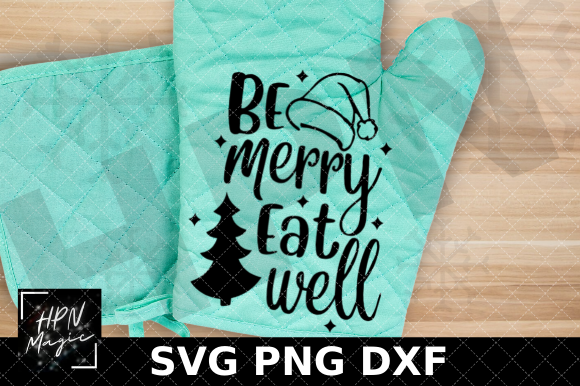
The visual appeal of the finished product relies heavily on thread color contrast. Because the design is relatively open, using high-quality threads makes a significant difference. On a dark fabric background, a white or cream thread would give it a crisp, modern look, while a pastel thread on a light fabric might lean more towards a vintage, farmhouse aesthetic. The design assets provided allow for easy mockups, so you can visualize how the final product will look before committing to expensive materials.
Where to Use (and Where to Be Careful)
While Be Merry Eat Well is robust, no single design is a universal solution. Understanding its limitations is just as important as knowing its strengths. If you are working with small hoop sizes, such as those found on portable machines or specialized hat hoops, you need to be cautious. While the design is scalable, shrinking it too much can compromise the integrity of the lettering. Tiny details that look fine on a screen might disappear or become jagged when stitched at a very small scale.
Fabric texture plays a crucial role here. On a smooth, stable fabric like cotton poplin or denim, the design will likely produce excellent results. However, on highly textured fabrics like bouclé or thick terry cloth, the stitches might not sit flat, leading to a messy appearance. Similarly, stretchy fabrics require extra attention. Without proper stabilizer usage, the tension of the satin stitch or fill stitch could cause the garment to pucker, ruining the clean lines of the message.
Dense stitch areas can sometimes trap lint or thread breaks, especially if the design includes large blocks of fill. If your machine struggles with density, you might want to adjust the settings or choose a lighter stabilizer. Additionally, for products that need frequent washing, like dishcloths or aprons, ensure that the design is secure. Loose edges on running stitch elements can unravel over time if not properly anchored. Curved surfaces, like caps, present another challenge; while the design fits well on flat panels, adapting it to a curved brim requires careful digitizing adjustments to prevent distortion.
Practical Notes for the Discerning Designer
Before you start stitching, there are several technical steps you should take to ensure success. First, always test the design on scrap fabric. This simple step allows you to check thread color contrast and review stitch density without risking your final product. If you are unsure about the stability of the design, try creating a black and white mockup to see how the negative space interacts with the positive elements.
Confirming the correct hoop size is essential. Check the file specifications to ensure the design fits within your machine's capabilities. If the file includes multiple formats like SVG, DXF, and PNG, verify that you are using the correct vector file for your specific software. Some designers prefer to use the SVG for cutting machines or applique work, while others stick to the PES or DST files for direct embroidery. Make sure you understand the licensing terms before selling finished items. Does the license cover commercial use? Can you sell the digital product itself? These questions are vital for any craft business owner.
Inspecting small details is another non-negotiable step. Zoom in on the digital preview to see if any letters look thin or if the kerning is uneven. If the design includes decorative accents, ensure they are large enough to hold their shape after stitching. Using the proper stabilizer is equally critical; a cut-away stabilizer is usually best for garments that will be worn frequently, while tear-away might suffice for temporary projects like holiday decorations.
Final Thoughts on Value and Professionalism
Ultimately, the value of Be Merry Eat Well lies in its ability to elevate a handmade product. A well-executed design builds customer trust and enhances brand consistency. When a buyer sees a neatly stitched phrase on a high-quality tote bag, they perceive the item as professional and thoughtful. This level of detail is what separates a hobbyist project from a commercial-grade product.
For small shop owners and creative entrepreneurs, this design offers a low-risk, high-reward opportunity. It is easy to integrate into existing product lines, whether you are selling personalized gifts, boutique branding, or printable mockups. The versatility of the file means you can experiment with different fabrics, thread colors, and applications until you find the perfect combination. Whether you are preparing a custom apparel line, creating unique patches, or simply making a gift for a loved one, this design provides a solid foundation for creativity.
By taking the time to evaluate the design's performance in real-world scenarios, you can avoid costly mistakes and ensure that your finished product meets the highest standards. Be Merry Eat Well is more than just a graphic; it is a tool that, when used correctly, can bring warmth and joy to your customers' lives. So, grab your hoop, select your favorite thread colors, and get ready to stitch something truly special.