Nana s Little Pumpkin Blue Polka Dot
As a designer who has stitched thousands of projects and reviewed countless digital assets for my own craft business, I approach every new file with a mix of excitement and skepticism. You never know if a cute concept will translate well into thread until you actually see it under the needle. Today, I am evaluating Nana s Little Pumpkin Blue Polka Dot, a design that promises to bring a whimsical touch to various textile applications. My goal is not just to describe what it looks like on a screen, but to analyze how it performs as a real-world embroidery project for small business owners, Etsy sellers, and hobbyists alike.
The First Impression: Mood and Visual Personality
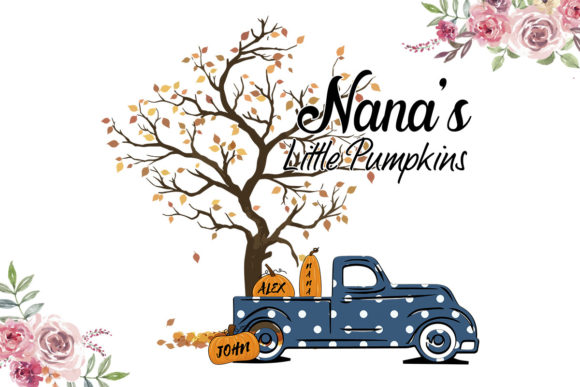
When I first opened the preview files for Nana s Little Pumpkin Blue Polka Dot, the immediate feeling was one of cozy nostalgia. The blue polka dot theme suggests a playful yet sophisticated aesthetic that moves away from the typical orange-and-black autumn cliché. It feels perfect for a "Nana" gift or a modern nursery accent. The layout appears balanced, likely relying on a mix of shapes that could work beautifully in both satin stitch for outlines and fill stitch for body coverage. For an embroidery designer, the visual personality is key; does it feel mass-produced or handmade? This design leans heavily into the handmade charm, which is exactly what customers crave when buying personalized gifts.
The choice of blue polka dots adds a unique twist. While pumpkins are often associated with harvest warmth, the cool blue tones create a fresh, contemporary vibe. This makes the design incredibly versatile. It isn't limited to Halloween or Thanksgiving; it can easily transition into fall decor, baby showers, or even year-round home accents. As someone who designs for commercial use, I appreciate when a graphic asset allows for such flexibility in branding and product lines.
Real-World Application: From Screen to Stitch
Let's imagine a practical scenario. I am preparing a custom embroidered tote bag for a local boutique client who wants a line of reusable shopping bags featuring seasonal themes. She specifically asked for something unique that wouldn't look like every other pumpkin design she sees at the craft fair. Nana s Little Pumpkin Blue Polka Dot fits this brief perfectly. The blue polka dots would pop against a navy canvas bag, creating a high-contrast, professional finish that elevates the perceived value of the product.
I also considered using this design on a sweatshirt for a family reunion. The soft texture of the fleece provides a great base for embroidery, allowing the stitches to sink in slightly for a plush feel. However, I had to think about the placement. A large design on the back of a hoodie requires careful stabilizer selection to prevent puckering. If I were to use this as a smaller detail on a baby onesie, the polka dot pattern might add a delightful texture without overwhelming the garment. The versatility extends to pillow covers and kitchen towels as well. Imagine a set of tea towels where each features a variation of this design; it creates a cohesive brand identity for a small shop selling holiday goods.
Technical Considerations and Fabric Challenges
While the concept is strong, any experienced embroiderer knows that execution is everything. When evaluating Nana s Little Pumpkin Blue Polka Dot for specific materials, there are several factors to keep in mind. For instance, textured fabrics like heavy denim or bouclé can sometimes obscure fine details. If the polka dots are too small or the lines are too thin, they might get lost in the weave of the fabric. In these cases, I would recommend testing the design on a scrap piece first to ensure the stitch density holds up.
Stretchy fabrics present another challenge. Embroidery on t-shirts or caps requires a balance of tension and support. If the design includes dense fill areas, the fabric might pucker if not stabilized correctly. Using a cut-away stabilizer is often essential for stretchy materials to maintain the shape of the embroidery project after washing. Additionally, dark fabrics require a different thread strategy. While the blue polka dots might look great on white, they need to be carefully selected to ensure visibility against black or deep-colored backgrounds. A light blue thread on a dark shirt might disappear, whereas a white or silver thread could provide the necessary contrast.
Where to Use (and Where to Be Cautious)
- Hoop Size: Ensure your hoop size matches the design dimensions. Trying to fit a large design into a small hoop can result in awkward framing and missed details.
- Detailed Corners: If the pumpkin shape has intricate curves or tiny lettering, test it on a low-density fabric first. Tiny details often break down on curved surfaces like baseball caps.
- Layered Garments: Avoid placing the design over pockets or zippers unless you have accounted for the extra thickness in your stitching path.
- Frequent Washing: For items like aprons or kids' clothes that will be washed often, verify that the stitch density is sufficient to withstand friction without fraying.
Impact on Product Value and Brand Consistency
In the world of handmade products and Etsy listings, the quality of the embroidery directly influences customer trust. A clean, well-executed embroidery file signals professionalism. If Nana s Little Pumpkin Blue Polka Dot is stitched with proper thread colors and correct tension, it becomes a premium feature rather than a generic decoration. Customers are willing to pay more for items that show attention to detail. The unique blue polka dot theme helps differentiate a seller's brand from competitors who stick to traditional colors, potentially increasing buyer engagement and recognition.
For those selling digital assets or printable mockups, having a design that translates well across different mediums is crucial. If the design looks good as a vinyl sticker transfer but fails as a machine embroidery design, it limits its utility. Fortunately, the description mentions compatibility with various formats like PNG, SVG, EPS, DXF, and PDF, which suggests a robust file structure suitable for both cutting machines and embroidery software. This dual-purpose capability adds significant value for creators who run multi-channel businesses.
Practical Designer Notes Before You Stitch
Before committing to a full production run, I always advise following a strict testing protocol. First, check the thread color contrast by viewing the design in black and white mockups. This ensures that the value difference between the background and the stitches is clear, regardless of the actual colors chosen. Second, review the stitch density. High-density areas can cause fabric distortion, while low-density areas might look sparse. Adjusting the density settings in your software can make a huge difference in the final look.
Don't forget to inspect small details closely. Sometimes, what looks like a simple dot on a screen might turn out to be a complex cluster of stitches in reality. Confirm whether the design works for both personal and commercial projects by reviewing the licensing terms provided with the download. If you plan to sell finished items featuring Nana s Little Pumpkin Blue Polka Dot, you must have the right permissions to do so.
Finally, use the proper stabilizer for your fabric type. Whether you are working on a delicate baby item or a sturdy tote bag, the right support system prevents shifting and ensures crisp edges. By taking the time to test and adjust, you ensure that your finished product meets the high standards expected by today's discerning craft buyers. This design has the potential to be a standout addition to your portfolio, provided you handle the technical nuances with care.