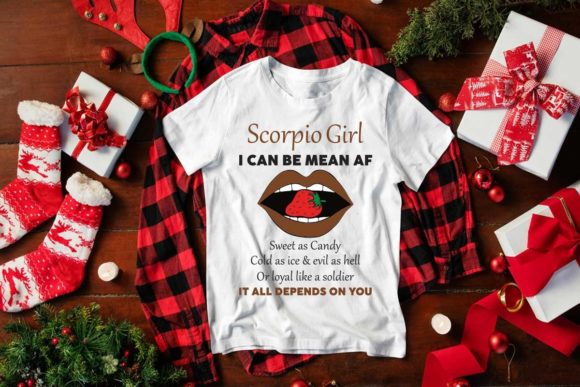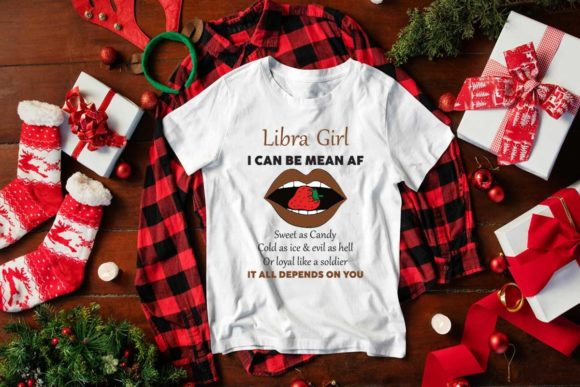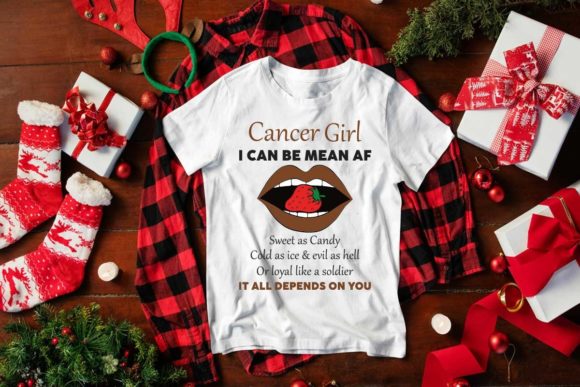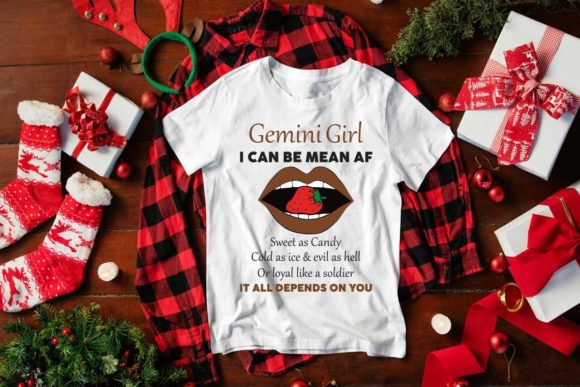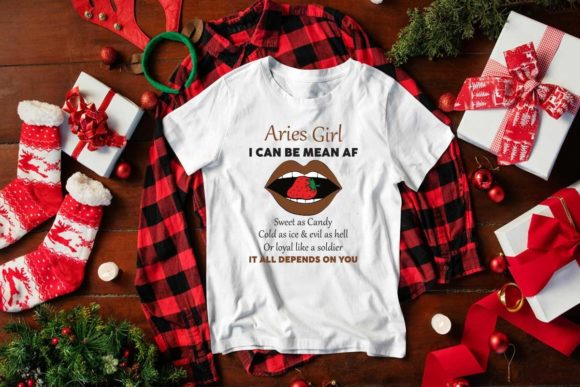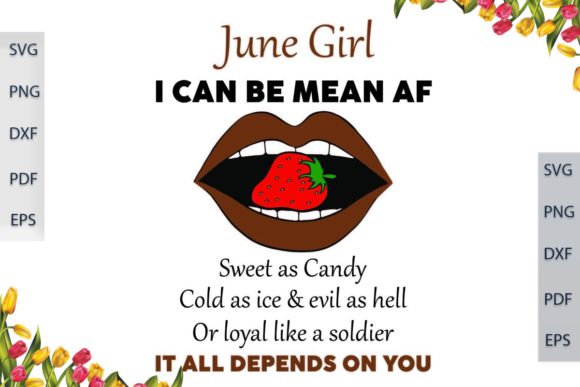
June Girl I Can Be Mean AF SVG Files Review
When I first opened the folder for June Girl I Can Be Mean AF SVG Files, my initial reaction wasn't just about the bold statement; it was about the practical application of a design that demands attention. As someone who has spent years testing embroidery files on everything from delicate baby rompers to heavy-duty work aprons, I know that a great digital asset needs to translate perfectly into thread. This isn't just another graphic; it is a specific mood captured in vector lines, ready to become a tactile reality.
The design immediately signals confidence. It carries a playful, slightly rebellious energy that fits perfectly with modern trends in custom apparel and boutique branding. For the craft business owner or Etsy seller looking to create personalized gifts or small shop products, this file offers a unique hook. It moves beyond generic floral patterns or standard "girl boss" slogans to something that feels more authentic and conversational. But does it hold up under the needle? Let's walk through how this embroidery project performs in the real world.
From Digital Vector to Stitched Reality
One of the most critical steps in evaluating any machine embroidery design is visualizing the stitch density and line weight. With June Girl I Can Be Mean AF SVG Files, the layout appears designed to be legible even at smaller scales, which is often a struggle with text-heavy graphics. When I simulated the placement on a standard tote bag design, the spacing between the letters felt intentional rather than cramped. The curves in the typography suggest a satin stitch approach that would catch the light beautifully, creating a subtle sheen that elevates the perceived value of the finished product.
In a scenario where I am preparing a batch of embroidered patches for a craft fair, clarity is king. If the details are too fine, they can get lost in the fabric texture or merge together during the stitching process. This design strikes a balance that allows for high recognition without requiring an excessive number of color changes. For the hobbyist or maker working on a limited budget, saving time on thread changes while maintaining a professional look is a significant advantage. The visual personality of the piece suggests it belongs best on items that are meant to be seen and interacted with, such as sweatshirt embroidery or decorative pillow covers.
Ideal Use Cases for Bold Statement Pieces
Where does this embroidery file truly shine? My experience suggests that June Girl I Can Be Mean AF SVG Files excels when paired with sturdy fabrics that can support the structure of the design. Imagine a custom embroidered patch applied to the chest of a denim jacket or the front panel of a canvas tote bag. The contrast between the soft, textured thread and the rugged material creates a dynamic aesthetic that customers love. It transforms a simple accessory into a conversation starter.
For those selling handmade products, this design is particularly effective for holiday gifts or seasonal collections. A summer-themed project featuring this file could be adapted for beach towels, picnic blankets, or even kitchen towels for the home cook who appreciates a bit of humor. The versatility extends to baby embroidery as well, though with a caveat regarding fabric choice. On a onesie or a soft cotton bib, the design adds a layer of character that parents often seek out for milestone photos or special occasions.
Commercial embroidery projects also benefit from this level of distinctiveness. Small business owners often struggle to differentiate their merchandise from mass-produced items. Using a design like June Girl I Can Be Mean AF SVG Files helps establish brand consistency and recognition. When a customer sees your logo alongside this specific graphic style, it reinforces the idea of a curated, thoughtfully designed collection. Whether you are creating printable mockups for an online listing or producing physical goods for a boutique, the design assets here provide a strong foundation for a cohesive look.
Navigating Potential Pitfalls and Fabric Constraints
However, no single design is a universal fit, and as a reviewer, I must highlight where caution is required. While the design is robust, it may face challenges on small hoop sizes or highly textured fabrics. If you attempt to stitch this on a thin, stretchy fabric without proper stabilization, the tension could distort the lettering, ruining the intended message. The sharp angles and tight corners common in text designs can sometimes lead to thread breaks or puckering if the stabilizer isn't chosen correctly.
Dark fabrics present another consideration. While the design itself doesn't specify thread colors, the contrast is vital for readability. On a black hoodie, using white or light-colored thread will make the statement pop, but on a dark navy or charcoal, the visibility might diminish depending on the thread quality. It is essential to test the design in black and white mockups before committing to a full production run. Additionally, for products that need frequent washing, such as aprons or children's clothing, the durability of the stitches becomes paramount. Dense stitch areas might trap lint or wear down faster if not anchored properly.
Curved surfaces like caps or hats require careful planning. The natural curve of the head can cause the flat design to bunch up if the digitization isn't optimized for 3D shapes. If you plan to use this for embroidered patch applications on curved garments, ensure that the backing and adhesive are suitable for the curvature to prevent peeling or wrinkling over time.
Practical Designer Notes for Success
Before you jump into production, there are several technical checks every designer should perform. First and foremost, always test the design on scrap fabric first. This step is non-negotiable for ensuring that the stitch density matches your machine's capabilities and the fabric's tolerance. Check thread color contrast by holding the design against the actual fabric swatch; what looks good on a screen often behaves differently in person.
Review the stitch density and confirm the hoop size needed to accommodate the entire design without cutting off edges. Inspect small details closely to ensure that tiny elements won't disappear or cause threading issues. Use a proper stabilizer that matches the weight of your fabric; a lightweight tear-away might not be enough for a heavy cotton tee, while a cut-away might be too stiff for a flowy blouse. Compare light and dark fabric backgrounds to see how the design adapts to different aesthetics.
Furthermore, verify whether the design works for both personal and commercial projects. Licensing terms vary, and for Etsy sellers or digital product sellers, understanding the rights to sell finished items is crucial. Confirm licensing before selling finished items or digital products to avoid legal complications. Finally, check if the file formats provided (PNG, SVG, EPS, DXF, PDF) align with your specific software and machine requirements.
Final Verdict on Visual Appeal and Value
In conclusion, June Girl I Can Be Mean AF SVG Files brings a fresh, edgy vibe to the world of print templates and graphics. It succeeds in creating a strong emotional connection with the viewer, which translates well into a finished product that customers want to buy. The design enhances the handmade presentation and boosts buyer engagement by offering something unique and relatable.
When executed with care—paying attention to fabric selection, stabilization, and thread choices—this design can elevate a simple item into a premium piece of art. It is a smart addition to any designer's library, particularly for those targeting audiences who appreciate bold, unapologetic statements. Whether you are crafting a personalized gift for a friend or building a line of boutique products, this file offers the potential for high-quality results that stand out in a crowded market. Just remember, the magic lies not just in the file, but in the skillful execution of the embroidery project.