Happy Independence Day Proud of America Review
As someone who has spent years turning digital files into tangible, stitched products for clients and craft fairs, I approach every new embroidery design with a mix of excitement and skepticism. The market is flooded with generic patriotic motifs, so finding a file that actually stands out requires a keen eye. When I first laid eyes on the Happy Independence Day Proud of America design, my initial reaction was one of cautious optimism. It promises to be more than just another clipart image; it claims to be a versatile asset for your next project. But does it hold up under the needle? Can it survive the rigors of commercial production while still looking handmade and authentic?
The First Impression: Mood and Visual Personality
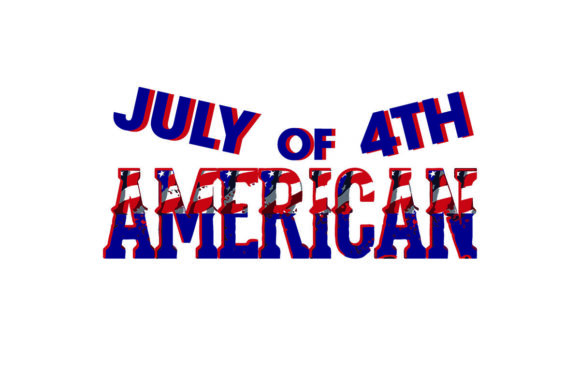
Before we even talk about stitch density or thread colors, we have to discuss the vibe. The Happy Independence Day Proud of America graphic immediately strikes me as celebratory yet grounded. Unlike some designs that rely on chaotic splashes of red, white, and blue, this piece seems to lean towards a clean, modern aesthetic that fits well in today's boutique marketplace. The typography feels confident, suggesting a design that works equally well on a baby's onesie or a rugged work apron.
Visually, the layout suggests a strong focal point. For an embroidery designer, the balance between text and any illustrative elements is crucial. If the design relies too heavily on tiny details, it risks getting lost in the stitching process. However, from what I can gather, the core message is clear. This isn't just a decoration; it is a statement piece. It creates a mood of pride and joy that translates naturally into physical form. Whether you are creating a custom apparel line or a holiday gift collection, this file brings a professional polish that elevates the perceived value of the finished product.
Real-World Application: From Screen to Stitch
Let's get practical. Imagine you are preparing for the Fourth of July season. You need a unique item for your Etsy shop that will catch the eye of shoppers scrolling through hundreds of listings. You decide to create a custom embroidered tote bag. This is where the embroidery file truly needs to shine. A tote bag is a high-visibility item; people carry them everywhere, making them perfect walking billboards for your brand.
If I were using Happy Independence Day Proud of America for this project, I would position it centrally on the front panel. The design's likely robust structure would handle the canvas or cotton twill fabric well. The contrast between the stitches and the bag material would create a tactile experience that online photos simply cannot capture. Customers love running their fingers over embroidery because it signals quality and effort. In a sea of screen-printed tees, a machine-stitched design like this offers a premium feel that justifies a higher price point.
But the versatility doesn't stop there. I could easily see this design adapted for a sweatshirt embroidery project for a family reunion, or perhaps scaled down for a cute baby embroidery piece on a christening blanket. The adaptability of the Illustrations and Graphics provided means you aren't limited to just one product type. You could use it on a kitchen towel for a bridal shower, a patch for a denim jacket, or even a pillow cover for a nursery. The key is understanding how the design behaves when it moves from a flat digital space to a three-dimensional object.
Where Caution is Required: Potential Pitfalls
While I am generally impressed, no design is without its challenges. As an experienced reviewer, I must warn you about specific scenarios where Happy Independence Day Proud of America might struggle. If you are working with a small hoop size, such as those used for cap embroidery or delicate jewelry tags, you need to scrutinize the fine details. Tiny lettering or intricate corners often suffer when compressed into a tight area, leading to a muddy look where the threads blend together rather than defining the shape.
Fabric choice is another critical factor. Embroidering on stretchy fabrics like jersey or thin materials like chiffon requires extra care. Without proper stabilizer support, the tension of the machine can pucker the fabric, distorting the message. Similarly, dark fabrics present a challenge if the design relies on light-colored threads for visibility. You might find yourself needing to add a layer of cut-away stabilizer or adjusting the thread colors to ensure the stitch density pops against the background. Textured fabrics, such as heavy fleece or boucle, can also hide the intricacies of the design, making it look less defined than intended.
Furthermore, if you plan to wash these items frequently, such as t-shirts or aprons, the durability of the satin stitch and fill stitch areas becomes paramount. Designs with large, dense blocks of stitching can sometimes trap lint or wear down faster if not executed correctly. Always test the design on scrap fabric first to ensure the tension settings on your machine are balanced. If the design includes complex curves, remember that curved surfaces like caps require specialized hoops and careful placement to avoid distortion.
Impact on Brand and Customer Trust
In the world of craft business and Etsy seller operations, presentation is everything. A poorly stitched design can make a handmade product look cheap, regardless of the quality of the underlying material. Conversely, a well-executed embroidery project builds immediate trust. When a customer sees crisp lines, consistent thread colors, and a design that sits perfectly flat on the garment, they assume the entire product was made with care.
This design has the potential to enhance your brand consistency. By using a cohesive visual theme across different items—like matching a tote bag, a hat, and a tea towel—you create a recognizable identity. The Happy Independence Day Proud of America file serves as a strong anchor for this identity. It signals professionalism and attention to detail, which are essential for engaging buyers and encouraging repeat purchases. It transforms a simple commodity into a personalized gift that feels special and thoughtfully curated.
Practical Designer Notes for Success
Before you hit the "start" button on your machine, here are a few non-negotiable steps to ensure your finished product meets your standards. First, always review the stitch density in your digitizing software. If the design looks overly crowded, consider reducing the density slightly to prevent bulkiness. Second, confirm the hoop size required and ensure your machine setup matches. Third, inspect small details closely. Are there any isolated stitches that might break easily? Do the corners of the letters need to be reinforced?
You should also test the design in black and white mockups to check the contrast and legibility before committing to expensive threads. Compare how it looks on both light and dark fabric backgrounds to anticipate color choices. Using the proper stabilizer is not optional; it is the backbone of a good embroidery job. Finally, double-check the licensing terms. Ensure that the digital embroidery file allows for commercial use if you intend to sell the finished items. Some designs are for personal use only, and violating these terms can lead to serious legal issues for your small shop.
Ultimately, the decision to use Happy Independence Day Proud of America depends on your specific project needs and technical skills. It is a solid candidate for a variety of commercial embroidery tasks, from holiday gifts to boutique branding. By approaching it with the right preparation and a critical eye, you can turn this digital asset into a standout physical product that customers will love. Remember, the magic lies not just in the file itself, but in the craftsmanship you bring to the table.