Elf Graphic: A Designer's Review for Real Embroidery Work
When I first opened the Elf Graphic file to prep it for a client project, my immediate reaction was one of practical curiosity. As someone who has spent years turning digital assets into tangible, stitched goods, I don't just look at how a design looks on a screen; I visualize how the threads will lay, where the density might cause puckering, and whether the final product will hold up after its first wash. This review is not about hype or marketing fluff. It is a grounded assessment of how this specific design performs when moved from a computer monitor to a sewing machine hoop, specifically tailored for those running a craft business, selling on Etsy, or creating custom apparel.
The First Impression: Mood and Visual Personality
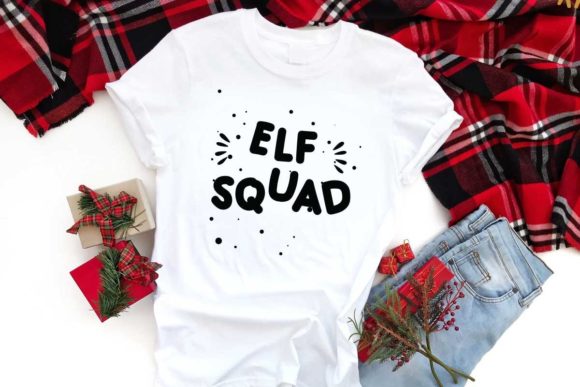
The moment you load Elf Graphic, it exudes a distinct holiday spirit without being overly cluttered. The shape is inviting, and the visual personality suggests warmth and whimsy. For an embroidery designer, the layout is the first thing we scrutinize. Does the design have enough negative space to breathe? Can the details be resolved with thread? In this case, the character feels balanced. It avoids the trap of being too intricate for smaller hoops while retaining enough definition to make a statement on a larger garment.
This design naturally belongs in projects that celebrate the season. It creates a mood that is cozy and festive, making it an ideal candidate for holiday gifts, boutique merchandise, or personalized items for families. Whether you are thinking about a tote bag design for a Christmas market or a sweatshirt embroidery piece for a family matching set, the Elf Graphic sets the right tone immediately. It is versatile enough to be a standalone focal point or a charming accent on a larger composition.
Real-World Application: From Screen to Stitch
Let me walk you through a real scenario. Imagine you are preparing a batch of custom embroidered tote bags for a local craft fair. You want something unique that stands out but isn't so complex that production takes forever. You decide to use Elf Graphic as the central motif. Here is what happens when you actually stitch it.
On a canvas tote bag, the design shines. The sturdy fabric provides a perfect foundation for the stitches, allowing the machine embroidery design to sit flat and crisp. If you choose a contrasting thread color, such as white or silver against a dark navy bag, the Elf Graphic pops with professional clarity. The stitching fills the shapes well, creating a texture that invites touch. Customers browsing your stall will see a finished product that looks expensive and well-made, which directly translates to higher perceived value and customer trust.
However, consider a different application: a baby onesie. While the design is cute, the scale matters immensely. On a tiny garment, the detail level must be checked carefully. If the design includes small facial features or fine lines, they might get lost in the fabric weave of a soft cotton onesie unless you use a very fine needle and high-quality thread. For baby embroidery, simplicity often wins. If Elf Graphic has dense areas, test them on scrap fabric first to ensure the stitching doesn't distort the delicate material.
Where to Exercise Caution
Not every surface is created equal, and Elf Graphic requires strategic placement depending on the substrate. There are specific situations where this design might struggle if you do not adjust your technique.
- Small Hoop Sizes: If you are working with a 4x4 inch hoop, ensure the design fits comfortably within the limits. Crowding a design can lead to misalignment or skipped stitches.
- Textured and Stretchy Fabrics: Applying this to a stretchy knit like a jersey t-shirt requires a stabilizer that can handle the tension. Without proper support, the stitch density might pull the fabric, causing the image to warp.
- Dark Fabric: While possible, dark backgrounds demand careful thread selection. Light threads may require a underlay or multiple passes to achieve full coverage, which increases the risk of bulkiness.
- Curved Surfaces: Embroidering on a cap or a curved hat is tricky. The curvature changes how the thread lays. If the design has sharp corners or tight turns, they might not translate perfectly onto the curve of a hat brim.
- Frequent Washing: For items like aprons or kitchen towels that will see heavy use, check the stability of the edges. Designs with long, loose running stitch elements might snag if not secured properly.
Impact on Product Value and Brand Consistency
In the world of craft business and Etsy seller operations, the quality of your design is a reflection of your brand. A poorly executed embroidery project can damage a reputation quickly. Elf Graphic, when executed correctly, elevates the finished product. It signals attention to detail and care.
For a small shop product, having a cohesive look is vital. If you are building a line of holiday gifts, using a consistent style like this helps buyers recognize your work instantly. The design acts as a visual anchor. When customers see the finished product, they should feel confident that it was made by a professional. This confidence drives engagement and repeat sales. Furthermore, for commercial embroidery clients, providing mockups that accurately represent how the design looks on fabric (using printable mockup tools) builds trust before the first stitch is even taken.
Practical Designer Notes for Success
Before you commit to a full production run, there are several technical steps you must take to ensure success. These are the habits that separate hobbyists from pros.
- Test on Scrap Fabric: Always run a test stitch on a piece of the same fabric you plan to use. This reveals issues with thread tension, stabilizer choice, and fabric distortion before you ruin a saleable item.
- Check Thread Color Contrast: View the design in black and white mockups. Sometimes colors look great on screen but lack contrast when converted to thread. Ensure the thread colors chosen will stand out against your background fabric.
- Review Stitch Density: Look at the fill stitch areas. If the density is too high, the fabric will become stiff and prone to tearing. If it is too low, the design will look patchy. Adjustments may be needed based on your specific machine settings.
- Confirm Hoop Size: Verify that your machine's hoop size matches the design dimensions. Mismatching these can lead to framing errors.
- Inspect Small Details: Zoom in on the embroidery file. Are there tiny elements that might not stitch out clearly? If so, consider simplifying the design or adjusting the digitization.
- Stabilizer Selection: Use the correct stabilizer for the fabric type. For custom apparel, tear-away or cut-away stabilizers are common, but the choice depends on the weight and drape of the material.
- Licensing Check: Before selling finished items or distributing the digital embroidery file, confirm the licensing terms. Ensure you have the rights to use Elf Graphic for commercial purposes.
Final Thoughts on Design Assets
Ultimately, Elf Graphic is a strong asset for any designer looking to add a touch of holiday cheer to their portfolio. It works well for applique design techniques if you wish to layer fabrics, and it holds up as a standard satin stitch design for quick production. Whether you are creating a personalized gift for a neighbor or stocking shelves for a holiday gift shop, this design offers a solid foundation.
Remember, the best designs are those that respect the medium. By understanding the limitations of the fabric and the capabilities of the machine, you can transform a simple digital file into a cherished handmade product. Take the time to test, refine, and present your work with pride. That is the secret to success in the world of design assets and embroidery projects.