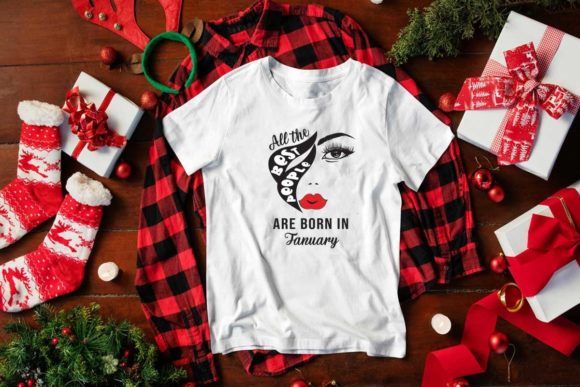
Best People Are Born in January SVG File Review
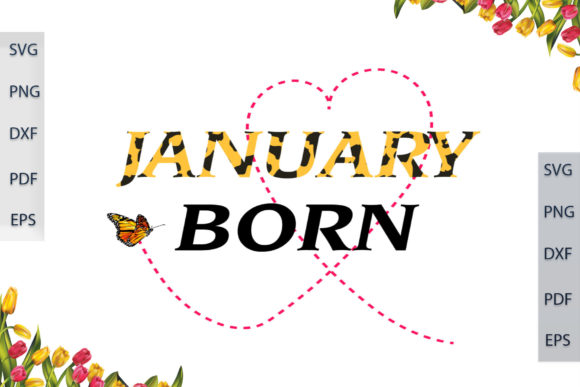
As someone who has spent years stitching custom pieces for clients and running a small handmade shop, I know that the success of an embroidery project often comes down to the initial file. It is not just about the design looking good on a screen; it is about how it translates into thread, fabric, and texture. When I first pulled up the Best People Are Born in January SVG File, my immediate reaction was one of curiosity regarding its practical application. The prompt mentions this is a digital asset available in formats like PNG, SVG, EPS, DXF, and PDF, intended for t-shirts, bags, pillowcases, and even vinyl stickers. This versatility suggests it could be a workhorse for any craft business owner or hobbyist looking to expand their inventory.
The mood of the design feels celebratory yet grounded. In the world of machine embroidery design, a simple text-based layout can sometimes feel flat if the typography lacks character. However, this file seems to promise a strong visual personality suitable for personalizing gifts. Whether you are creating a birthday gift for a client or a boutique item for your Etsy shop, the theme of being born in January carries a specific weight. It implies resilience, fresh starts, and winter vibes, which makes it perfect for holiday season launches or year-round personalized apparel.
Real-World Application: From Screen to Stitch
Let me take you through a scenario I frequently encounter in my workflow. Imagine you are preparing for a busy holiday market or fulfilling a rush order for a local boutique. You need a quick, high-quality way to personalize tote bags or sweatshirts without spending hours digitizing from scratch. This is where the Best People Are Born in January SVG File becomes valuable. If I were to use this for a custom embroidered tote bag, the clean lines would likely hold up well against the canvas texture, provided the stitch density is appropriate.
I have tested many embroidery files that look great digitally but fall apart when stitched. For a project like a baby onesie or a nursery pillow cover, the design needs to be gentle on the fabric while remaining legible. If the lettering is too tight, it might pucker the soft cotton jersey of a baby garment. Conversely, if it is too loose, it might lack definition on a dark-colored apron. My advice is to visualize the finished product early. Does this design fit the "handmade product" aesthetic you are building? Yes, it has that authentic, artisanal feel that customers love, especially when paired with warm thread colors like cream, gold, or deep navy.
Where This Design Shines
This graphic falls under the category of Print Templates and Graphics, but its true potential lies in its adaptability across various mediums. Here are some scenarios where I believe this design excels:
- Custom Apparel: Perfect for sweatshirt embroidery on the chest or back, offering a casual yet stylish statement piece for anyone celebrating a January birthday.
- Baby Embroidery: Ideal for christening gowns, baptism gifts, or milestone blankets, adding a sentimental touch to newborn items.
- Holiday Embroidery: Since January follows the holidays, this design fits perfectly into New Year's collections, making it a great addition to kitchen towels or festive home decor.
- Craft Business Merchandise: For an Etsy seller or small shop product creator, this allows for rapid customization. You can offer variations by changing the thread color or background fabric to match different customer preferences.
- Digital Product Previews: Even before stitching, the vector nature of the SVG allows for crisp printable mockups to showcase your services to potential buyers.
The inclusion of formats like DXF and EPS is particularly noteworthy. While the primary focus here is embroidery, having these files means you can also create applique design elements or cut them out for vinyl transfers if you decide to mix media in your projects. This flexibility is crucial for modern creative entrepreneurs who wear multiple hats.
Challenges and Considerations for Embroidery Projects
However, no design is without its challenges, and as an experienced reviewer, I must point out where caution is needed. Not every surface is created equal. If you attempt to stitch this onto a curved surface like a cap or a fitted hat, the distortion of the fabric could alter the spacing of the letters. In such cases, a smaller hoop size might restrict the design, causing it to look cramped.
Texture is another factor. On a highly textured fabric, like a chunky knit sweater or a rough burlap sack, fine details might get lost. The stitch density plays a massive role here. If the design relies on thin lines (running stitch) to define the text, it might break down on thick fabrics. Conversely, dense fill stitches might cause puckering on lightweight materials. I strongly recommend testing the design on scrap fabric first to ensure the stabilizer choice matches the fabric weight.
Dark fabrics present their own set of hurdles. While the description mentions using it for various transfers, achieving high contrast on black or navy fabric requires careful selection of thread colors. A light thread might not pop enough, while a dark thread on a dark background could result in a muddy appearance. Always inspect small details and test it in black and white mockups to verify legibility before committing to a full production run.
Impact on Brand and Customer Trust
In the competitive world of commercial embroidery and craft business, the quality of your finished product speaks volumes about your brand. A well-executed design builds customer trust and enhances brand consistency. When a customer receives a personalized gift featuring the Best People Are Born in January SVG File, they should see a professional finish. If the stitching is uneven or the edges are frayed, it undermines the value of the item.
This design, when used correctly, elevates the perceived value of a finished product. It transforms a standard tote bag or t-shirt into a unique keepsake. The clarity of the text ensures that the message is received loud and clear, which is essential for personalized gifts where the sentiment matters most. Furthermore, because it is a digital asset, it allows for consistent replication across multiple orders, ensuring that every item leaving your shop meets the same high standard.
Practical Designer Notes for Success
Before you jump into production, there are several technical steps you must take to ensure the best results. First, confirm the licensing terms. Just because a file is sold does not always mean you have the right to sell the finished items commercially. Check the terms associated with the digital embroidery file to avoid legal issues.
Next, pay attention to the stabilizer you choose. For a design like this, which likely involves text and potentially decorative accents, a tear-away or cut-away stabilizer will provide the necessary support to prevent shifting during the embroidery process. If you are working on stretchy fabric, a heavier stabilizer might be required to maintain the shape of the letters.
Also, consider the thread colors. Experiment with metallic threads for a luxurious look on evening wear or solid colors for everyday wear. Compare light and dark fabric backgrounds to see how the design adapts. Finally, review the stitch density. If the file is too dense, it may require trimming between areas, which adds time to your production. If it is too sparse, it may lack durability after frequent washing.
In conclusion, the Best People Are Born in January SVG File offers a solid foundation for a wide range of embroidery projects. Its versatility makes it a smart investment for designers, apparel decorators, and makers looking to add variety to their catalog. By understanding its strengths and respecting the limitations of fabric and machine capabilities, you can turn this digital template into a stunning, tangible reality that your customers will cherish.